Curcuma longa: A Complete Guide to Medicinal Uses
Dr. Spoorthi S.
MD Part I
Department of Homoeopathic Pharmacy
Father Muller Homoeopathic Medical College
Dr Jeeno Jose
Associate Professor
Department of Homoeopathic Pharmacy
Father Muller Homoeopathic Medical College
Title: Curcuma longa: A Review of Its Botanical, Pharmacological, and Homoeopathic Aspects
Introduction
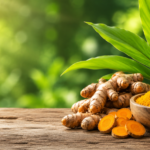
Curcuma longa L., commonly known as turmeric or Indian saffron, is a perennial herb of the family Zingiberaceae. The rhizome is the medicinally important part of the plant and has been widely used as a spice, medicine, natural colouring agent, cosmetic ingredient, and preservative. Scientifically classified under the genus Curcuma, the plant is known by various regional names, including Haridra, Haldi, and Manjal. The name Curcuma is derived from the Arabic word Kurkum, meaning turmeric or yellow colour, while longa refers to the elongated rhizome.
Turmeric holds significant cultural and medicinal importance. It has been regarded as a sacred plant in Hindu tradition and is associated with prosperity, purity, and auspiciousness. Historically, it has been used in India for over 4,000 years and is extensively described in classical Ayurvedic literature. It is also widely employed in Ayurveda, Siddha, Unani, and Traditional Chinese Medicine for its diverse medicinal applications.
In homoeopathy, Curcuma longa was introduced following drug proving by Arya, Balachandran, and Augustine and is included in the Homoeopathic Pharmacopoeia of India (HPI). Owing to its established therapeutic applications and clinical verification, it occupies an important place in homoeopathic pharmacy. This review presents a concise account of its botanical features, historical background, medicinal uses, pharmacognostic characteristics, mother tincture preparation, pharmacological actions, and homoeopathic aspects.
Botanical Classification
The botanical classification of Curcuma longa L. places it within the family Zingiberaceae, a group of aromatic perennial herbs known for their medicinal and economic importance. The scientific classification is presented below:
| Rank | Taxon |
| DIVISION | Magnoliophyta |
| CLASS | Liliopsida |
| ORDER | Zingiberales |
| FAMILY | Zingiberaceae |
| GENUS | Curcuma |
| SPECIES | longa |
Botanical Description
Curcuma longa is a perennial herb characterized by an erect rhizome bearing fleshy, ovate, pyriform, or elongated secondary rhizomes along with roots and leaves. The leaves are oblong-lanceolate, tapering towards the base, and may attain a length of up to 1.2 m or more. They arise in tufts, with the petiole approximately equal in length to the leaf blade. The inflorescence consists of terminal spikes measuring about 10–15 cm in length. The peduncle, approximately 15 cm or longer, remains enclosed within the sheathing leaf bases. The flowering bracts are pale green with a pink tinge, contributing to the characteristic appearance of the plant during the flowering season.
Synonyms and Common Names
Curcuma longa L. is widely recognized by different botanical synonyms and vernacular names across various regions of India, reflecting its extensive traditional use and cultural significance. The commonly used synonym and regional names are listed below.
| Language | Common Name |
|---|
| Botanical Synonym | Curcuma domestica Valeton |
| English | Turmeric, Indian Saffron |
| Sanskrit | Haridra, Haldi |
| Hindi | Haldi |
| Kannada | Arishina |
| Malayalam | Manjal |
| Tamil | Manjal |
| Telugu | Pasupu |
| Bengali | Halud |
| Marathi | Halad |
The widespread use of these vernacular names reflects the importance of Curcuma longa in the medicinal, culinary, and cultural traditions of different regions of India. Despite the variation in local names, all refer to the same medicinal plant, Curcuma longa L., which has been extensively utilized in traditional healthcare systems and homoeopathic pharmacy.
Origin and Distribution
Native Habitat
Curcuma longa is native to South and Southeast Asia, with India recognized as its primary centre of origin. The plant thrives in warm, humid tropical and subtropical climates and grows best in well-drained, fertile loamy soils rich in organic matter, making these conditions ideal for its cultivation.
Distribution
India is the largest producer, consumer, and exporter of turmeric, reflecting its widespread cultivation and economic importance. Owing to its adaptability to tropical and subtropical climatic conditions, Curcuma longa is cultivated extensively in suitable agricultural regions.
Cultivation
Curcuma longa is propagated through rhizomes. Planting is generally carried out during May–June, before the onset of the monsoon. The crop is harvested 7–9 months after planting, when the leaves turn yellow and dry. Following harvest, the rhizomes are boiled, dried, polished, and stored for further use.
Historical Background
Traditional Medicinal Use
Curcuma longa has been used in India for more than 4,000 years as both a medicinal plant and a spice. Its therapeutic importance is well documented in classical Ayurvedic texts such as the Charaka Samhita and Sushruta Samhita. In addition to Ayurveda, turmeric has been widely employed in Siddha, Unani, and Traditional Chinese Medicine. Traditionally, it has also served as a household remedy for minor wounds and cough, while its medicinal properties include anti-inflammatory, antioxidant, hepatoprotective, antimicrobial, antifungal, antiviral, carminative, cholagogue, wound-healing, and immunomodulatory actions.
Religious Significance
Turmeric is regarded as a sacred and auspicious plant in Hindu tradition. It is associated with Goddess Lakshmi and symbolizes prosperity, purity, and good fortune. The plant is extensively used in religious rituals, festivals, and wedding ceremonies. The traditional Haldi ceremony performed before marriage signifies purification and marks the beginning of a prosperous married life.
Cultural Importance
Beyond its medicinal value, Curcuma longa has long been an integral part of Indian culture. It has been traditionally used as a natural food colouring agent, cosmetic ingredient, textile dye, and food preservative. Its continued use in cultural ceremonies, cosmetic preparations, and everyday household practices highlights its enduring social and cultural significance.
Phytochemical Constituents
The therapeutic properties of Curcuma longa are attributed to several biologically active constituents present in its rhizome. These phytochemicals contribute to the diverse pharmacological actions of the drug and play an important role in its medicinal and homoeopathic applications.
Curcumin
Curcumin is the principal active constituent of Curcuma longa. It possesses potent anti-inflammatory, antioxidant, hepatoprotective, antimicrobial, anticancer, wound-healing, and immunomodulatory properties, making it the major contributor to the therapeutic potential of turmeric.
Turmerones
The rhizome contains α- and β-turmerone, which exhibit antimicrobial, antioxidant, anti-inflammatory, and insect-repellent properties. These compounds contribute to the overall biological activity of Curcuma longa.
Other Active Compounds
In addition to curcumin and turmerones, Curcuma longa contains several other important phytochemicals. Demethoxycurcumin (DMC) exhibits antioxidant, anti-inflammatory, and anticancer activities, while Bisdemethoxycurcumin (BDMC) possesses antioxidant, anti-inflammatory, hepatoprotective, antimicrobial, and anticancer properties. Zingiberene acts as a carminative, digestive stimulant, antimicrobial, and antioxidant agent. The polysaccharides known as Ukonans demonstrate immunomodulatory and antioxidant activities, further contributing to the medicinal value of the plant.
Medicinal Uses
Curcuma longa has been traditionally valued for its broad spectrum of medicinal properties. According to the documented pharmacological and therapeutic actions, the rhizome exhibits anti-inflammatory, antioxidant, hepatoprotective, antimicrobial, antifungal, antiviral, carminative, cholagogue, wound-healing, and immunomodulatory activities, making it useful in the management of various disorders.
Anti-inflammatory
Curcuma longa possesses significant anti-inflammatory activity by inhibiting inflammatory mediators, including COX-2, LOX, and NF-κB. It is therefore considered beneficial in inflammatory conditions, arthritis, rheumatic disorders, and other disorders associated with tissue inflammation.
Antioxidant
The rhizome exhibits potent antioxidant activity by scavenging free radicals and protecting tissues against oxidative stress. This property contributes to its overall therapeutic effectiveness and supports its use in maintaining cellular integrity.
Antimicrobial
Curcuma longa demonstrates antimicrobial activity against bacteria, fungi, and certain viruses. Owing to these properties, it has traditionally been employed as a natural preservative and in the management of infections and wound care.
Hepatoprotective
The hepatoprotective action of Curcuma longa is reflected in its beneficial effects on the liver and hepatobiliary system. It is useful in hepatic congestion, jaundice, and biliary disorders, while also improving hepatic function by protecting liver cells from damage.
Wound Healing
Curcuma longa promotes wound healing by enhancing collagen synthesis and facilitating tissue repair. Traditionally, it has also been used as a household remedy for minor wounds owing to its healing properties.
Digestive Health
The drug exerts beneficial effects on the gastrointestinal tract through its carminative and cholagogue actions. It is indicated for dyspepsia, flatulence, gastritis, loss of appetite, abdominal colic, and other digestive disturbances, thereby supporting normal digestive function.
Immune Support
Curcuma longa possesses immunomodulatory activity that helps regulate immune responses. In addition, its antioxidant properties contribute to immune support by protecting tissues from oxidative damage.
Homeopathic Importance
Curcuma longa holds an established place in homoeopathic pharmacy following its drug proving and subsequent clinical verification. It was introduced into homoeopathy by Arya, Balachandran, and Augustine, and is included in the Homoeopathic Pharmacopoeia of India (HPI), where the standards for its preparation and use are described.
Homeopathic Preparation
For homoeopathic purposes, fresh, healthy rhizomes of Curcuma longa are collected and used for the preparation of the mother tincture according to the procedures prescribed in the Homoeopathic Pharmacopoeia of India (HPI). The mother tincture may be prepared by the traditional Class III method or by the maceration method using purified water and strong alcohol under controlled conditions.
Mother Tincture
The mother tincture (Q) is prepared from the rhizome of Curcuma longa. In the old method (Class III), the drug is processed with strong alcohol, while the new method employs maceration to obtain a clear, golden-yellow mother tincture. The finished preparation is stored in tightly closed amber or flint glass bottles, protected from light, heat, moisture, and strong odours to maintain its quality and stability.
Therapeutic Indications
In homoeopathic practice, Curcuma longa has an affinity for the liver and hepatobiliary system, gastrointestinal tract, musculoskeletal system, skin and mucous membranes, immune system, and urinary system. It is indicated in conditions such as hepatic congestion, jaundice, biliary disorders, dyspepsia, flatulence, gastritis, loss of appetite, arthritis, rheumatic complaints, wound healing, inflammatory skin disorders, urinary irritation, cough, bronchitis, dysmenorrhoea, and general debility. Clinical verification studies have further supported its use in functional dyspepsia, abdominal colic, constipation, diabetes mellitus, lumbago, anxiety, sinus headache, and dysmenorrhoea.
Reference from the Homoeopathic Pharmacopoeia of India
Curcuma longa is officially included in the Homoeopathic Pharmacopoeia of India (HPI). The pharmacopoeia provides standards for the collection of fresh rhizomes, preparation of the mother tincture, drug strength, and methods of processing, ensuring the quality and uniformity of the homoeopathic preparation.
Cultivation
The successful cultivation of Curcuma longa depends on suitable climatic conditions, fertile soil, proper propagation techniques, and timely harvesting and processing of the rhizomes. These practices ensure optimum yield and quality of the crude drug used for medicinal and homoeopathic purposes.
Climate
Curcuma longa thrives in warm, humid tropical and subtropical climates. Such environmental conditions are favourable for healthy vegetative growth and rhizome development.
Soil
The plant grows best in well-drained, fertile loamy soil rich in organic matter. Proper soil drainage and fertility are essential for obtaining healthy rhizomes of good quality.
Propagation
Propagation is carried out using rhizomes. Planting is generally undertaken during May–June, before the onset of the monsoon, to provide favourable conditions for crop establishment and growth.
Harvesting
The crop is harvested 7–9 months after planting, usually between January and March, when the aerial parts of the plant turn yellow and dry. The rhizomes are carefully dug out, cleaned, and separated into mother and finger rhizomes. For homoeopathic preparation, fresh and healthy rhizomes are collected and used for preparing the mother tincture in accordance with the Homoeopathic Pharmacopoeia of India (HPI).
Processing
After harvesting, the rhizomes undergo curing by boiling, followed by drying, polishing, and storage before use. These processing steps help preserve the quality of the crude drug and prepare it for medicinal and homoeopathic applications.
Scientific Research
Clinical Evidence
Several studies have contributed to the understanding of Curcuma longa in homoeopathic practice. The initial homoeopathic drug proving conducted by Arya, Balachandran, and Augustine established the primary pathogenetic profile of the drug, particularly its affinity for the gastrointestinal mucosa, hepatobiliary system, and skin. These findings laid the foundation for its inclusion in homoeopathic literature and subsequent clinical applications.
A multicentric clinical verification study conducted by the Central Council for Research in Homoeopathy (CCRH) evaluated 129 clinically verified patients across multiple research units. The study confirmed the therapeutic usefulness of Curcuma longa in conditions such as dyspepsia, flatulence, abdominal colic, constipation, diabetes mellitus, lumbago, sinus headache, anxiety, and dysmenorrhoea, thereby expanding its clinical indications.
Further evidence was provided by a randomized, double-blind, placebo-controlled homoeopathic drug proving using Curcuma longa 30CH. This study documented constitutional and mental symptoms, demonstrating reproducible symptom patterns associated with the potentized preparation. In addition, a randomized controlled clinical trial on functional dyspepsia reported a statistically significant reduction in epigastric pain, postprandial fullness, and gastric bloating among patients receiving Curcuma longa compared with the control group.
Safety and Precautions
Although Curcuma longa is widely used in homoeopathic practice, appropriate precautions should be observed during its therapeutic use. The mother tincture is generally diluted in water before administration to minimize potential interference with its therapeutic action.
Side Effects
The present document does not report any specific adverse effects associated with the homoeopathic use of Curcuma longa. However, its administration should follow the recommended dosage and appropriate clinical guidance.
Contraindications
Curcuma longa should be used with caution in individuals with bleeding disorders because of its potential influence on blood clotting. It is also generally avoided in patients with bile duct obstruction or active gallstones due to its ability to stimulate bile production. Therapeutic doses are not recommended during pregnancy, as the drug may act as a uterine stimulant.
Drug Interactions
Caution is advised when Curcuma longa is administered concomitantly with anticoagulant or antiplatelet medications, such as Warfarin and Aspirin, because of the potential effect on blood clotting. Patients scheduled for surgical procedures should also avoid its use unless advised otherwise by a healthcare professional.
Conclusion
Curcuma longa is an important medicinal plant with well-established significance in homoeopathic pharmacy. Its long history of traditional use, documented botanical characteristics, diverse medicinal properties, and broad therapeutic applications highlight its value as a homoeopathic drug. The inclusion of Curcuma longa in the Homoeopathic Pharmacopoeia of India (HPI), together with its drug proving, clinical verification, and pharmacological profile, supports its role in the management of disorders affecting the hepatobiliary system, gastrointestinal tract, musculoskeletal system, skin, and other body systems. The standardized methods for mother tincture preparation, cultivation, collection, and storage further ensure the quality and authenticity of the drug. Overall, Curcuma longa remains a valuable remedy in homoeopathic practice and an important subject of continued clinical observation and pharmaceutical study.
References
- Arya, Balachandran, Augustine. Curcuma longa. Hahnemannian Gleanings. 1977;44(7):320-30.
- Agnivesha. Charaka Samhita (Vols. 1–2) (V. Shukla & R. Tripathi, Eds. & Trans.). Chaukhamba Sanskrit Pratishthan; 2009.
- Sushruta. Sushruta Samhita (K. R. Srikanth Murthy, Ed. & Trans.; 3rd ed.). Chaukhambha Orientalia; 2007.
- Reddy ASV, Suresh J, Yadav HKS, Singh A. A review on Curcuma longa. Research Journal of Pharmacy and Technology. 2012;5(2):158-165.
- Debbarma P, Jaiswal M. Haridra (Curcuma longa Linn.) A classical review. International Journal of Ayurvedic and Herbal Medicine. 2017;7(6):2963-2972.
- Ministry of Health and Family Welfare, Government of India. Homoeopathic Pharmacopoeia of India (HPI) (Vol. 1-10). 1971–Present.
- Prasad S, Aggarwal BB. Turmeric, the golden spice: From traditional medicine to modern medicine. In: Benzie I, Wachtel-Galor S, editors. Herbal Medicine: Biomolecular and Clinical Aspects. 2nd ed. Boca Raton (FL): CRC Press/Taylor & Francis; 2011.
- Sharifi-Rad J, Rayess YE, Rizk AA, Sadaka C, Zgheib R, Zam W, et al. Turmeric and its major bioactive constituent curcumin: A review on its background and therapeutic properties. Front Pharmacol. 2020;11:01021.
- Spices Board India, Ministry of Commerce and Industry, Government of India. Turmeric: Cultivation practices, crop calendar, and market dynamics. Cochin: Spices Board Publications; 2022.
- Homoeopathic Pharmacopoeia Committee, Ministry of Ayush, Government of India. Homoeopathic Pharmacopoeia of India (HPI). Combined Vol. I-V. New Delhi: Controller of Publications; 2016.
- Indian Council of Medical Research. Quality standards of Indian medicinal plants. Vol. 7. New Delhi: ICMR; 2008. p. 112-21.
- Kokate CK, Purohit AP, Gokhale SB. Pharmacognosy. 50th ed. Pune: Nirali Prakashan; 2014.
- Hahnemann S. Organon of medicine. 6th ed. Boericke W, translator. Philadelphia: Boericke & Tafel; 1921.
- Mandal PP, Mandal B. A textbook of homoeopathic pharmacy. 3rd ed. Kolkata: New Central Book Agency; 2012. p. 134-40.
- Schwabe W. Pharmacopoeia Homoeopathica Polyglotta. Leipzig: Willmar Schwabe Publishers; 1872. p. 45-52.
- European Directorate for the Quality of Medicines & HealthCare. Homoeopathic preparations: Maceration method. In: European Pharmacopoeia (Ph. Eur.). 10th ed. Strasbourg: Council of Europe; 2020. Monograph 1038.
- Mandal PP, Mandal B. Maceration and percolation according to the new method. In: A Textbook of Homoeopathic Pharmacy. 3rd ed. Kolkata: New Central Book Agency; 2012. p. 155-68.
- Goel S. Art and science of homoeopathic pharmacy: A comprehensive textbook. 2nd ed. New Delhi: Leo Enterprises; 2002. p. 210-24.
- World Health Organization. Safety monitoring of medicinal products: Guidelines for good manufacturing practices (GMP) for homoeopathic medicines. Geneva: World Health Organization; 2009.
- Birewar S, Jain S. Preservation and storage stability protocols of herbal and homoeopathic mother tinctures. Int J Homoeopathic Sci. 2018;2(3):45-9.
- Sandur SK, Pandey MK, Sung B, Ahn KS, Murakami A, Sethi G, et al. Curcumin, demethoxycurcumin, bisdemethoxycurcumin, tetrahydrocurcumin and turmerones differentially regulate anti-inflammatory and anti-proliferative responses. Carcinogenesis. 2007;28(8):1765-75.
- Tomoda M, Gonda R, Ohara N, Takada K. Characterization of ukonans A, B, and C: Phagocytosis-activating polysaccharides from the rhizome of Curcuma longa. Chem Pharm Bull. 1990;38(6):1667-71.
- Chetana BS, Jaiswal M. A review on doctrine of signatures with special reference to Samanya. Ayurpub. 2018;3(4):985-996.
- Central Council for Research in Homoeopathy. Curcuma longa: A multicentric clinical verification study. New Delhi: CCRH Publications; 2014.
- Murphy R. Curcuma longa. In: Lotus Materia Medica. 3rd ed. New Delhi: B. Jain Publishers; 2006. p. 621-3.
- Schroyens F. Synthesis: Repertorium Homeopathicum Syntheticum. London: Homeopathic Book Publishers; 2012.
- Aggarwal BB, Yuan W, Li S, Gupta SC. Curcumin-free turmeric exhibits anti-inflammatory and anticancer activities: Identification of novel components of Curcuma longa. Mol Nutr Food Res. 2013;57(9):1529-42.
- Singh S, Aggarwal BB. Activation of transcription factor NF-κB is suppressed by curcumin (diferuloylmethane). J Biol Chem. 1995;270(42):24995-3000.
- Heck AM, DeWitt BA, Lukes AL. Potential interactions between alternative therapies and warfarin. Am J Health-Syst Pharm. 2000;57(13):1221-7.
- Kim DC, Ku SK, Bae JS. Anticoagulant activities of curcumin and its derivative. BMB Rep. 2012;45(4):221-6.
- Rasyid A, Lelo A. The effect of curcumin and placebo on gallbladder contraction in healthy volunteers. Aliment Pharmacol Ther. 1999;13(2):245-9.
- Boericke W. Pocket Manual of Homoeopathic Materia Medica. 9th ed. New York: Boericke & Runyon; 1927.
- Chakraborty P, Ali S, Kaushik S, et al. Curcuma longa – A multicentric clinical verification study. Indian J Res Homoeopathy. 2011;5(1):19-27.
- Naidoo M. A double-blind homoeopathic drug proving of Curcuma longa 30CH [Master’s thesis]. Durban: Durban University of Technology; 2005.
- Finkel I. The Hanging Gardens of Babylon: Two Remarkable Cuneiform Tablets. London: The British Museum Press; 2000.
- Wiseman DJ. Mesopotamian Gardens. Anatol Stud. 1983;33:137-144.
- Roth HJ, Miller B. The Reaction of Curcumin with Boric Acid: Formation of Rosocyanine. Arch Pharm (Weinheim). 1964;297(10):617-623.
- Dyrssen DW, Nyberg DW. The extraction of boron as rosocyanine. Anal Chim Acta. 1965;33:501-511.
- Daniel S, Limson JL, Dairam A, et al. Through metal binding, curcumin protects against lead- and cadmium-induced lipid peroxidation in rat brain homogenates. J Inorg Biochem. 2004;98(2):266-275.
- Kim DC, Kim SH, Choi BH, et al. Curcuma longa extract inhibits gastric secretion and prevents gastric mucosal injury in rats. J Ethnopharmacol. 2005;105(1-2):145-152.
- Murphy R. Nature’s Materia Medica. 4th ed. Blacksburg: Lotus Health Institute; 2020.
- Hahnemann S. The Chronic Diseases, Their Peculiar Nature and Their Homoeopathic Cure. Theoretical Part. Translated by Tafel LH. New Delhi: B. Jain Publishers; 1995.
- Banerjee PN. Chronic Miasms in Homoeopathy and Their Cure. Kolkata: Roy Publishing House; 2001.
- Kent JT. Repertory of the Homoeopathic Materia Medica. New Delhi: B. Jain Publishers; 2008.
- Gibson DM. Studies of Homoeopathic Remedies. London: Beaconsfield Publishers; 1987.
- Clarke JH. A Dictionary of Practical Materia Medica. New Delhi: B. Jain Publishers; 1993.