Ayush Ministry Releases Homoeopathy Skin Disorder Guidelines
The Ministry of Ayush has released the Standard Treatment Guidelines (STGs) on Management of Dermatological Disorders for Homoeopathy, as part of a comprehensive initiative covering Ayurveda, Siddha, Unani and Homoeopathy, with the inclusion of Yoga.
The guidelines aim to promote uniformity, quality assurance and evidence-informed clinical practice in the management of dermatological conditions through Homoeopathy.
The document was prepared by the Ayush Vertical of the Directorate General of Health Services (DGHS), Ministry of Health & Family Welfare, through an interdisciplinary process involving expert consultations, review of classical texts, assessment of contemporary scientific evidence and consensus-based deliberations.
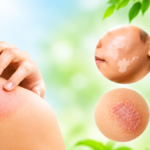
The Standard Treatment Guidelines provide system-specific recommendations for managing common dermatological conditions, including: – Psoriasis – Dermatitis – Vitiligo – Urticaria – Dermatophytosis
For these conditions, the guidelines outline recommendations covering prevention, diagnosis, treatment, follow-up and rehabilitation, while retaining the fundamental principles of Homoeopathy.
The development of the guidelines involved technical expertise from Ayush Research Councils, senior academic specialists in Homoeopathy and other traditional systems, Yoga experts and specialists in modern medicine.
The preparation process included an assessment of contemporary scientific evidence alongside classical literature and expert consensus, with the objective of developing practical recommendations for clinical practice.
An important feature of the initiative was the field-level validation of the treatment protocols to assess their practical applicability in real-world healthcare settings.
The Ayush Vertical collaborated with the Directorate of Ayush, Government of NCT of Delhi, to test the protocols with Medical Officers working in primary and secondary healthcare facilities.
Feedback received from the Medical Officers regarding the operational usability of the guidelines was incorporated into the final documents to improve their clinical relevance and practical value.
The guidelines are expected to serve as reference documents for Homoeopathic practitioners, clinicians, academicians and researchers.
They are intended to support:
- More uniform clinical practice in the management of dermatological disorders.
- Rational clinical decision-making.
- Quality assurance in patient care.
- Capacity building and professional education.
- Further research in dermatological disorders.
- Evidence-informed clinical practice while preserving the fundamental principles of Homoeopathy.
The initiative represents an important step towards strengthening the standardisation and quality of Homoeopathic healthcare delivery in the management of skin disorders.
Official Guideline: download